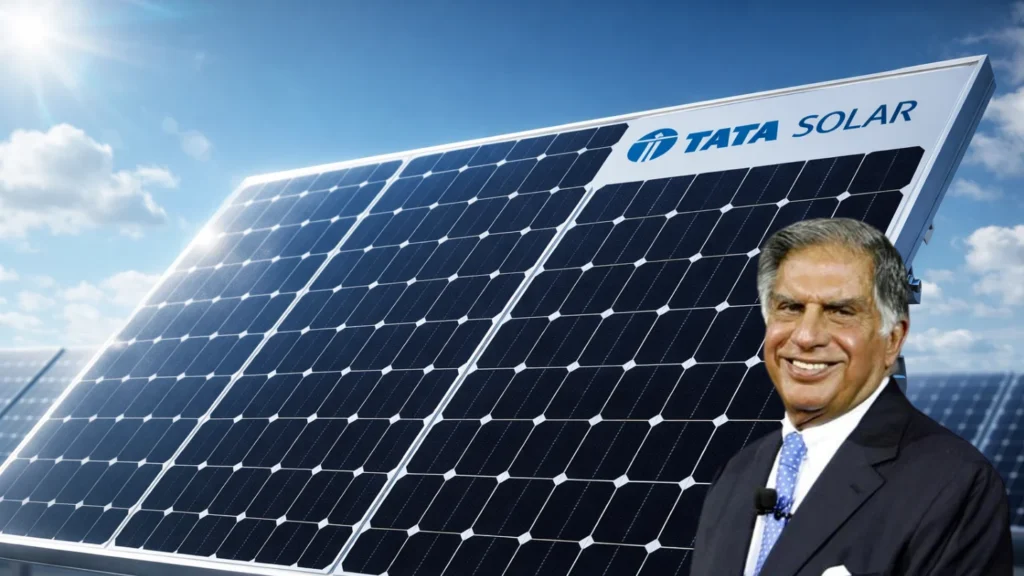
As solar energy becomes more popular in India, Tata Solar Panels are gaining attention for their reliability, efficiency and long-term performance. Manufactured by entity [“company”,”Tata Power Solar”,”energy company”], these panels are designed to convert sunlight into clean electricity that can power homes, farms, businesses and electric systems like pumps and vehicles. With rising electricity costs and growing demand for renewable energy, Tata Solar Panels are becoming a strong choice for both residential and commercial users.
Types of Tata Solar Panels
Tata Solar Panels are available in multiple configurations to suit different needs. These include monocrystalline, polycrystalline and hybrid solar panels, each designed for specific performance requirements:
- Monocrystalline panels offer higher efficiency and better space utilization, making them suitable for rooftops where space is limited.
- Polycrystalline panels come at a lower cost and are ideal for larger installations where space is less of a concern.
- Hybrid panels combine the strengths of both technologies to deliver balanced performance.
Power Output and Efficiency
Tata Solar Panels are known for their consistent power output and good conversion efficiency. Typical panel capacities range between 330W to 550W+ per panel, depending on model and usage. Modern Tata panels are engineered to deliver efficiency levels of around 18% to 22%+, which means they convert a significant portion of sunlight into usable electricity. Higher efficiency panels are especially useful in locations with limited roof space or higher energy needs.
Durability and Warranty
One of the key advantages of Tata Solar Panels is their strong build quality and long-term reliability. These panels are designed to withstand harsh weather conditions including heavy heat, dust, rain and wind. Most Tata solar panel products come with:
- 12–25 years product warranty on the materials and workmanship
- 25-year performance warranty, ensuring sustained output over time
This means that even after years of use, the panels will continue to generate electricity effectively, giving users confidence in their investment.
Installation and Setup
Tata Solar Panels can be installed on a variety of surfaces including rooftop spaces, ground mounts and open land systems. The installation typically involves setting up the panels at an optimal angle to receive maximum sunlight, connecting them to an inverter, and integrating with either the grid or a battery storage system. Certified installers ensure that the system is oriented correctly, minimizing losses and maximizing power generation throughout the year.
Battery and Inverter Integration
Solar energy systems often pair panels with inverters and batteries to make the power usable at all times. An inverter converts the DC (direct current) electricity generated by the panels into AC (alternating current) electricity that can be used in homes and businesses. Pairing with a battery bank allows the system to store excess energy for nighttime use or cloudy days. Tata Solar Panels work seamlessly with most standard inverters and battery systems, giving flexibility in setup.
Expected Savings and Returns
Investing in Tata Solar Panels can lead to substantial savings on monthly electricity bills. Depending on the size of the installation and daily energy use, users can offset a large portion of their grid electricity usage. Many residential users see significant reductions in their monthly bills within the first year of installation. Over a period of 10–20 years, a solar system can pay for itself through energy savings, lower maintenance costs and government incentives or subsidies.
Government Subsidies and Incentives
In India, the government encourages solar adoption through various subsidy programs and incentives for residential and commercial installations. Homeowners may be eligible for central and state government subsidies depending on panel capacity and system size. These subsidies can reduce the upfront cost by a considerable amount, making the switch to solar power more affordable.
Environmental Advantages
Using Tata Solar Panels helps reduce dependence on fossil fuels, lowers carbon emissions, and contributes to cleaner air and a healthier environment. Solar energy is renewable, abundant and sustainable, making it an eco-friendly alternative to traditional grid electricity. By switching to solar power, individuals and businesses can reduce their carbon footprint and support India’s broader renewable energy goals.